Phone:
(701)814-6992
Physical address:
6296 Donnelly Plaza
Ratkeville, Bahamas.

Phone:
(701)814-6992
Physical address:
6296 Donnelly Plaza
Ratkeville, Bahamas.
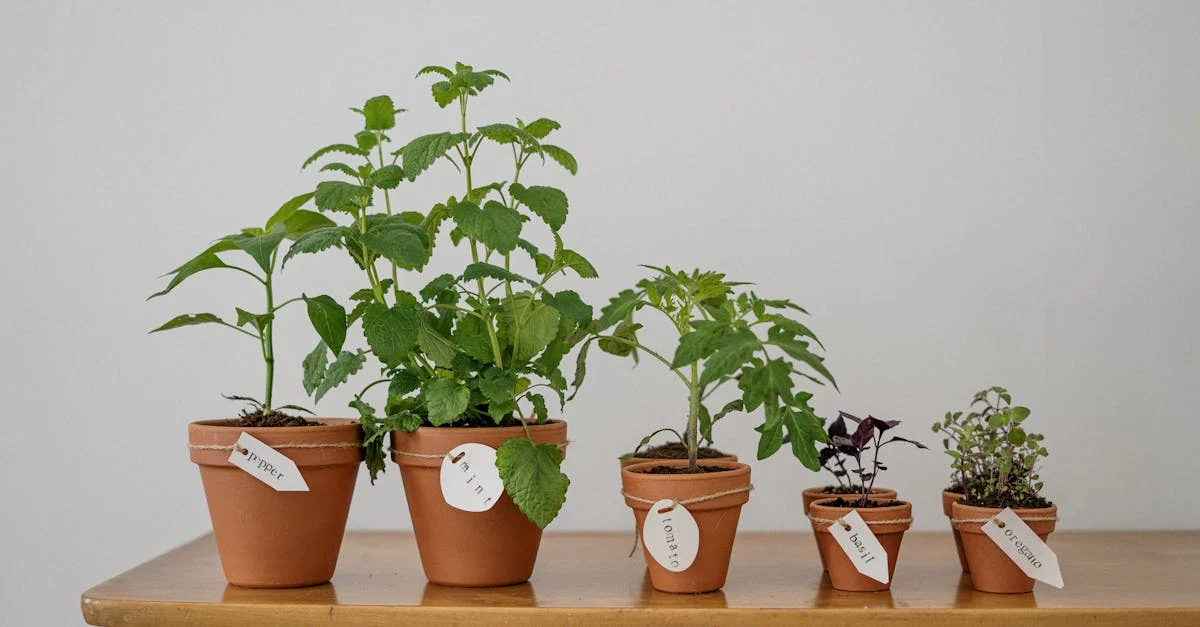
Let’s face it, we all want a splash of color and a hint of spice in our garden, don’t we? Enter pepper plants, those vibrant beauties that not only brighten up our gardens but also add zest to our dishes. While they may look cute and harmless, caring for them requires a bit of know-how. But don’t worry. With our comprehensive guide, we’ll transform you from a pepper plant newbie to a bona fide pepper pro. So grab your gloves, and let’s dig into everything we need to know about pepper plant care.
Pepper plants belong to the Capsicum genus, which includes everything from sweet bell peppers to fiery habaneros. Understanding our plants is the first step towards ensuring they thrive in our care. They are warm-season crops, which means they love basking in the sun and growing in warmer temperatures. These plants prefer well-drained soil rich in organic matter. Knowing the specific type of pepper we are growing can help tailor our care. For instance, bell peppers and hot peppers may have slightly different requirements, but fortunately, they share a lot in common.
Creating the perfect environment is crucial for our pepper plants. Ideally, they thrive in temperatures ranging from 70 to 85 degrees Fahrenheit. Too cold, and they sulk: too hot, and they may wither away. Sunlight is their best friend: they need about 6-8 hours of direct sunlight daily to produce those gorgeous fruits we crave. A well-draining potting mix that allows roots to breathe is essential, as salsa lovers everywhere know that overwatering can lead to root rot. So, whether we’re planting in garden beds or containers, let’s make sure to give our peppers a cozy home.
Watering pepper plants seems simple, but it’s an art. We should aim to keep the soil consistently moist, but not soggy. A good rule of thumb is to check the top inch of soil: if it’s dry, it’s time for a drink. During hot spells, our plants may need more water, and we must be mindful of the signs of drought stress. Feeding is equally important. We can use a balanced fertilizer every 4-6 weeks, but let’s scale it back when we see our peppers starting to form. Too much nitrogen might leave us with leafy plants and no fruit.
Tending to pepper plants means keeping an eye out for pests and diseases. We’re generally at risk for pests like aphids, whiteflies, and spider mites. Regular inspections can help us catch infestations early. If we notice any unwelcome guests, don’t panic. A gentle spray of neem oil or insecticidal soap can usually send them packing. As for diseases, root rot and powdery mildew are common culprits. Plenty of airflow between our plants and proper watering techniques will help prevent these issues, after all, we want our peppers to flourish, not face a health crisis.
Pruning may sound intimidating, but it’s a crucial part of pepper plant care. We should trim back any dead leaves or stems to encourage better air circulation and light penetration. When it comes to harvesting, patience is key. The best time to pick our peppers is when they’ve reached their full color and size. For sweet peppers, we can harvest when they turn from green to vibrant yellow, orange, or red, while hot peppers can be picked at green or fully ripened stages depending on our heat preference. Using sharp scissors or pruners will help us make clean cuts and encourage more growth.
As winter approaches, we need to think ahead for our pepper plants. In colder regions, we can bring our pots indoors or cover garden beds to protect them from frost. If we have a surplus of peppers, we can pick them before the first frost and store them in a cool, dry place. Peppers can be frozen, pickled, or dried, allowing us to enjoy their flavors long after the growing season ends. No need to let our efforts go to waste.