Phone:
(701)814-6992
Physical address:
6296 Donnelly Plaza
Ratkeville, Bahamas.

Phone:
(701)814-6992
Physical address:
6296 Donnelly Plaza
Ratkeville, Bahamas.
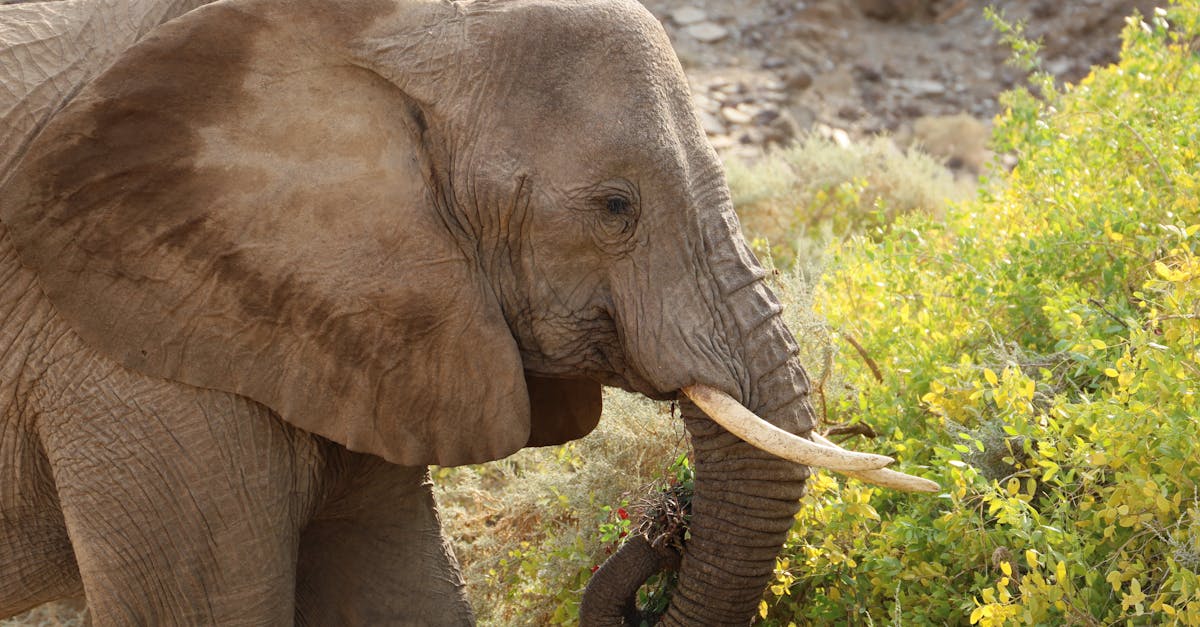
Are you ready to turn your garden into a tropical paradise? With their massive leaves and vibrant presence, the elephant ears plant is like the VIP guest of the plant world. As we jump into the ins and outs of elephant ears plant care, get ready for some quirky fun and handy tips to make sure your leafy friend thrives. Let’s embark on this delightful journey together, shall we?
Elephant ears, or Alocasia and Colocasia species, are quite the conversation starters in our homes and gardens. These giants can tower over other plants with their enormous, heart-shaped leaves that can reach up to three feet long. Not only do they add a tropical flair, but they also thrive in a variety of environments, making them a favorite among plant enthusiasts. But, to keep them happy, understanding their needs is crucial. Let’s uncover what these magnificent plants truly desire.
In our quest to nurture these majestic plants, we need to keep a few growing conditions in mind. Firstly, they absolutely love warmth and humidity, which is why we often find them thriving in tropical climates. Ideally, they should be placed in a location where they can enjoy bright, indirect sunlight. Too much direct sun? That can scorch those gorgeous leaves. On the flip side, insufficient light can stunt their growth. It’s all about striking the perfect balance. If we give them a spot that feels like a sunny vacation, they’ll repay us with stunning foliage.
When it comes to watering, our elephant ears can be a bit demanding. These plants prefer consistently moist soil, but don’t let them sit in waterlogged conditions. A good rule of thumb we can follow is to water them when the top inch of soil feels dry. Keeping the humidity levels high is also non-negotiable, ideally around 50% or more. If our indoor air is on the dry side, misting those leaves can give our plants the boost they crave. Think of it as a refreshing spa day for them.
Now, let’s get down and dirty, literally. Elephant ears thrive in nutrient-rich, well-draining soil. A mix of potting soil and perlite works wonders for these beauties. How about fertilizing? We can fertilize our elephant ears every 4-6 weeks during the growing season with a balanced, water-soluble fertilizer. This is particularly important because they’re heavy feeders that enjoy all the nourishment we can provide. As in life, a little extra care goes a long way in helping them flourish.
Let’s talk pruning, shall we? While elephant ears are generally low-maintenance in this department, we should keep an eye out for any yellowing leaves or dead spots. Snipping these off not only keeps our plants looking fresh but also encourages new growth. And if we’re feeling adventurous, propagation can be fun. We can divide larger tubers and replant them or take stem cuttings to create new growth. Watching our elephant ears multiply makes for a rewarding experience.
Like any garden diva, elephant ears can attract a few unwelcome guests. Common pests include aphids and spider mites, which can be a nuisance. Keeping an eye on the undersides of leaves and treating them promptly will help maintain our plant’s health. Most of the time, a simple wash with insecticidal soap or neem oil is effective. As for diseases, overwatering is the main culprit. Ensuring proper drainage and allowing for dry periods between watering can prevent root rot and other issues. A little vigilance goes a long way in keeping these beauties in tip-top shape.