Phone:
(701)814-6992
Physical address:
6296 Donnelly Plaza
Ratkeville, Bahamas.

Phone:
(701)814-6992
Physical address:
6296 Donnelly Plaza
Ratkeville, Bahamas.
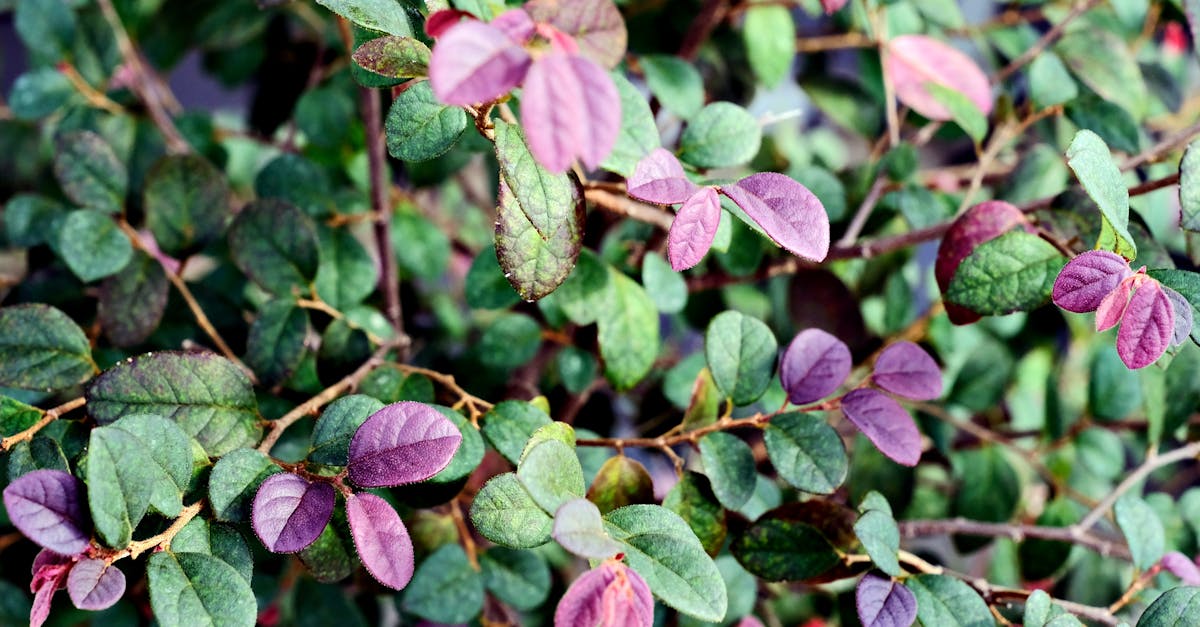
When it comes to adding a splash of color to our outdoor spaces, few plants do it quite like loropetalum. Imagine vibrant hues of pink, purple, and lush greenery all in one tidy shrub. Not only are these delightful plants stunning, but they also offer versatility that can enhance nearly any garden design. So, grab your gardening gloves, and let’s jump into some creative loropetalum landscaping ideas that can turn our mundane yards into a botanical wonderland.
Loropetalum, often known as fringe flower, is a versatile evergreen shrub that can bring a pop of color and texture to our gardens. It generally thrives in U.S. hardiness zones 7 to 10, making it a suitable choice for many climates. Its dense, bushy growth habit allows it to function beautifully in mixed plantings or as a standalone focal point. With the right amount of sunlight, ideally partial shade to full sun, these beauties can flourish, providing vibrant foliage throughout the year. Given their low maintenance requirements, loropetalum makes a fantastic choice for both seasoned and novice gardeners alike.
When it comes to selecting the right variety of loropetalum, we have options. For those seeking a compact growth habit, the purple diamond loropetalum is a standout choice. Its small stature and deep purple leaves make it perfect for borders or small garden beds. Alternatively, the ruby red variety boasts stunning red foliage that can turn heads in any landscape.
Using loropetalum in our designs is all about contrast. Consider pairing the purple and red varieties with golden-hued plants like ‘Sunshine’ ligustrum for a bold statement. The blend of hues creates a vibrant tapestry that enhances the visual appeal of our landscape. Also, we can integrate soft-textured plants such as ferns or heucheras for a textural contrast that pairs well with loropetalum’s crisp lines.
With their eye-catching color, loropetalum can easily become the star of our garden. But, even a star needs a supporting cast. To create a stunning display, consider surrounding loropetalum with companion plants that enhance their beauty. For instance, low-growing ornamental grasses like blue fescue or boxwood can frame these shrubs elegantly, creating a visually dynamic contrast.
Also, we can mix in some flowering perennials like daylilies or coneflowers. Their blooms not only complement the foliage but also extend the blooming season, maintaining our garden’s interest throughout the year.
Loropetalum adapts beautifully into various landscape designs, from modern to classic. In contemporary gardens, we can use bold groupings of loropetalum to create clean lines against a backdrop of sleek paving or minimalist decor. Conversely, in more traditional gardens, these shrubs can soften edges and provide a lush backdrop for flowering annuals.
Even in tropical landscapes, loropetalum can provide a pop of color that complements palm trees and bright blooms. The versatility of these plants allows us to unleash our creativity, transforming our spaces into unique expressions of our style.
Caring for loropetalum is relatively straightforward. These plants appreciate well-drained soil, so ensure they’re not sitting in waterlogged ground. Regular pruning is advisable to maintain their shape and encourage bushier growth. We should also watch for pests like spider mites or aphids, though they are generally pest-resistant. Fertilizing in early spring can boost their vigor: we suggest a slow-release fertilizer tailored to shrubs. With just a little effort, our loropetalum plants can thrive and grace our gardens for years.